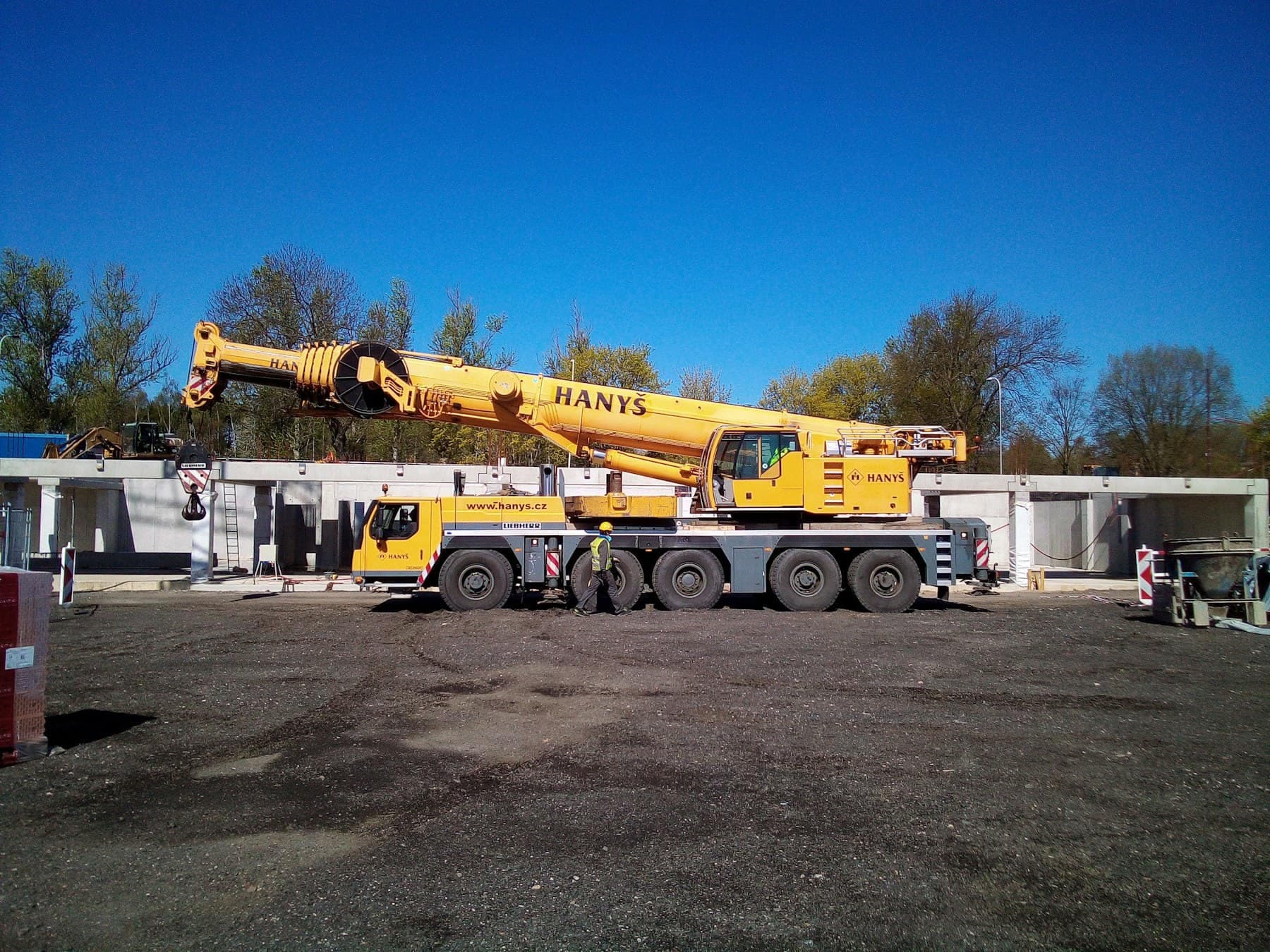
Lifting operations concentrate a lot of energy into a small space. A load that weighs more than a car hangs from a hook on a few strands of wire or webbing, moved by an operator who often cannot see it, above people who are looking at their own work. When a lift goes wrong, it goes wrong fast, and the consequences are rarely minor.
The good news is that lifting safety is well understood. Almost every dropped load or crane overturn traces back to one of a short list of failures — and every item on the list has a known control.
Plan every lift
A lift plan answers, before anything is rigged: what is being lifted, how much it weighs, where its centre of gravity is, where it is going, what equipment will do it, who is in charge and what could go wrong.
- Routine lifts — the same load, the same equipment, the same place, repeatedly — can run under a standing plan, reviewed periodically.
- Complex lifts — unusual loads, tandem lifts, lifts near people or services, lifts in confined areas or wind — need a specific plan for that lift.
A lift with no plan is a lift where the decisions are being made at the hook, under time pressure. That is where the failures happen.
Know the load
The weight of the load is the foundation of every other decision. It comes from documentation, from a rated scale or from a competent calculation — not from a guess. Add the weight of the rigging itself; a large spreader beam and slings can be a significant part of the total.
The centre of gravity determines whether the load hangs level and stable. A load lifted off-centre swings, tilts and can slide out of its slings. If the centre of gravity is not obvious, the load is trial-lifted a few centimetres and checked before it goes any higher.
Rated equipment, used within its rating
Slings, shackles, hooks, eyebolts and beams each carry a working load limit. Two things catch people out:
- Sling angle. As the angle between the sling legs opens up, the tension in each leg rises. At wide angles, each leg can be carrying far more than half the load. Sling capacity charts exist for exactly this reason.
- Configuration. A sling in a choke hitch or a basket hitch has a different capacity from the same sling used vertically. Edges cut webbing and wire unless they are protected.
Equipment is inspected before every use for damage — kinks, broken wires, cuts, deformation, illegible tags — and it is periodically inspected and certified by a competent person. Our Lifting Equipment Inspection service covers that periodic examination; anything without a legible rating and inspection record does not lift.
People and communication
A lift has defined roles:
- The appointed person plans and takes overall responsibility.
- The operator controls the crane or hoist and can refuse any lift they consider unsafe.
- The slinger attaches the load correctly.
- The signaller — only one — communicates with the operator, using agreed hand signals or radio.
Confusion about who is directing the lift is a classic cause of incidents. If more than one person is signalling, the operator stops.
Control the ground
Before the load leaves the ground:
- The path of the lift and the set-down area are clear, and the ground can take the crane's outrigger loads.
- An exclusion zone keeps everyone out from under the load and clear of the swing radius. Tag lines control the load's rotation from a distance.
- Overhead lines and structures are identified and kept clear by a safe distance.
- Wind, visibility and weather are within the equipment's limits.
Where training fits
None of this is complicated, and all of it is skipped on sites where lifting is treated as an incidental part of moving materials. The Rigging & Slinging and Crane Operations programmes build these habits practically — calculating sling loads, selecting and inspecting equipment and running lifts with the roles clearly held — so the routine lift on a Tuesday afternoon is done the same way as the one the safety manager is watching.
Related training
Related consultancy & audit services
Need help developing workplace safety capability?
Talk to Eduforce about training, consultancy and safety solutions.
Eduforce Team
EHS Training & Safety Solutions
Practical safety guidance from the Eduforce trainers and consultants — written from the training centre, the classroom and the site.
More about Eduforce