
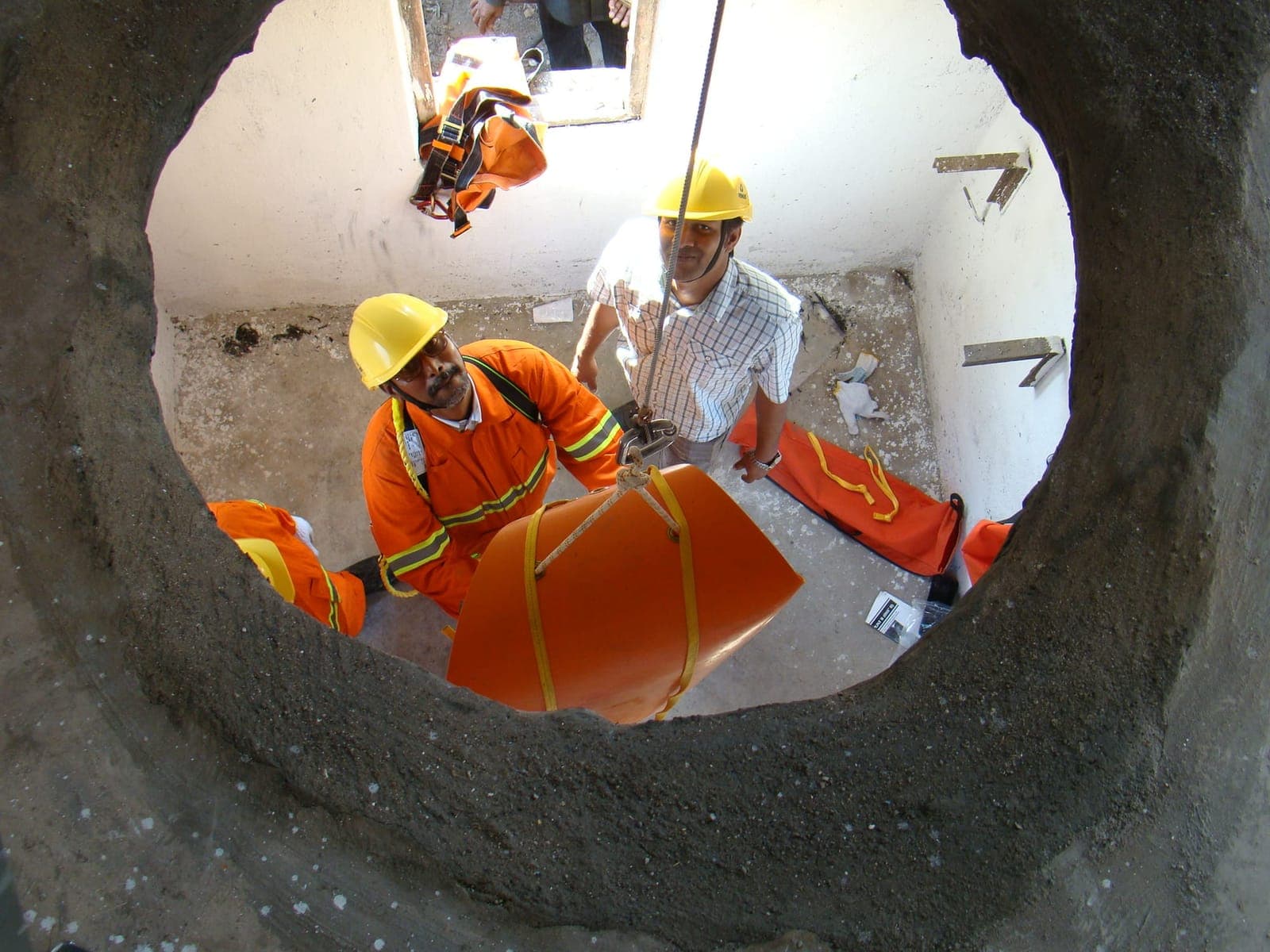
Five Questions to Answer Before Anyone Enters a Confined Space
Most confined-space incidents are not exotic. They happen when a routine job skips one of five questions. Ask them every time, and the permit writes itself.
By Dr. Mona GandhiRead
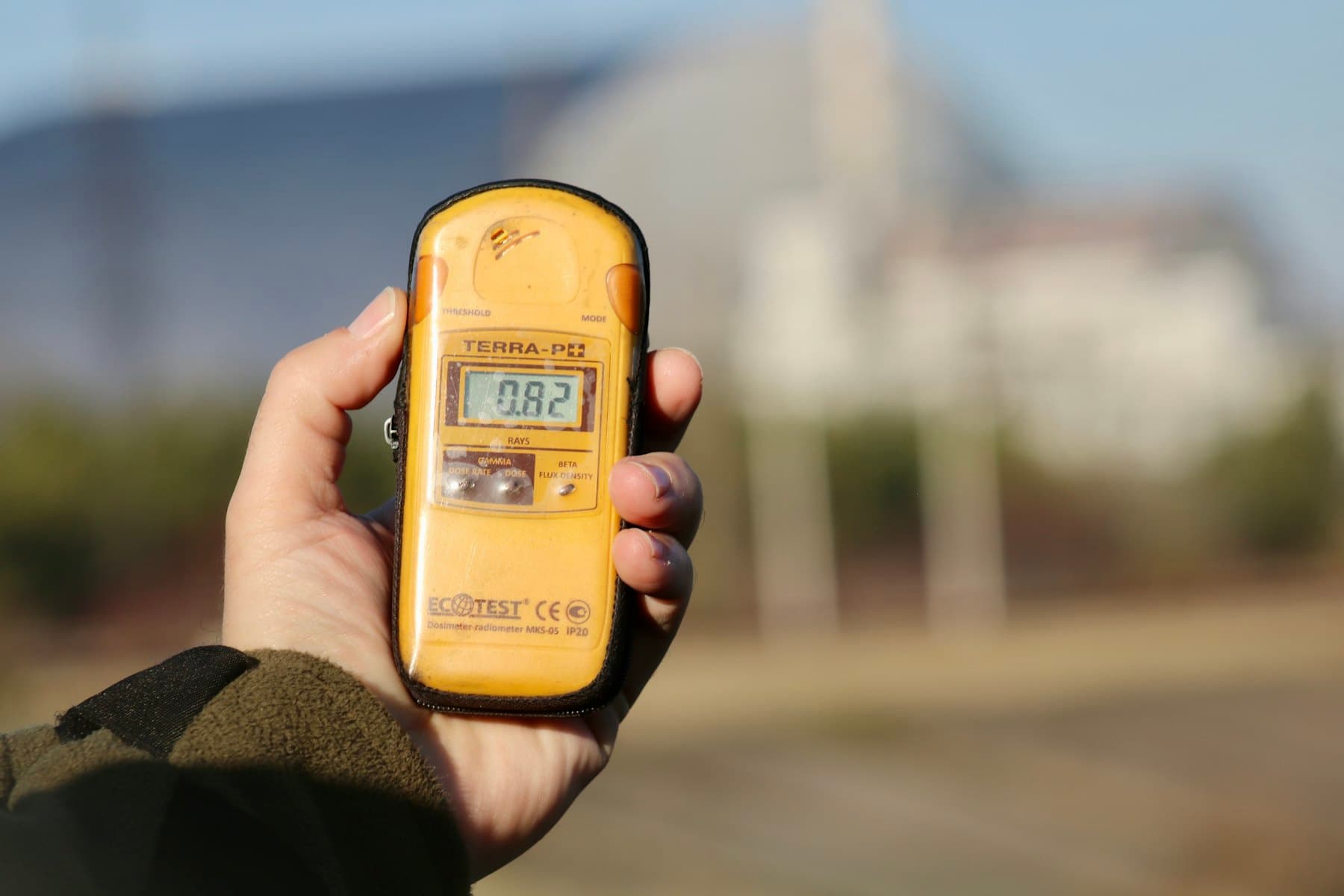
Gas testing decides whether entry can proceed. This programme covers the instruments, the sequence in which readings are taken, and what the numbers mean.
The atmosphere in a confined space is the hazard people most often cannot see or predict. Oxygen can be too low or too high, and toxic or flammable gases can build up from the space itself or from the work being done in it.
A single reading at the hatch only shows what the air was like at the hatch, once. Testing therefore uses a calibrated, bump-tested detector, samples the space at several levels before entry, and continues while anyone is inside, with the results recorded against the permit.
Personnel responsible for confined space gas testing
No dates are currently listed for this programme. Tell us when and where you need it and our team will confirm.
Recorded in Eduforce material as “Atmospheric Gas Testing”.
Duration, assessment method and the certificate issued vary by programme, and are set out in the written confirmation issued for your engagement. Contact our team for the current details for this programme, including any validity period that applies.
Most confined-space incidents are not exotic. They happen when a routine job skips one of five questions. Ask them every time, and the permit writes itself.
Programmes run at the Eduforce training centre or on your own site. Tell us the roles involved and our team will confirm the details.