
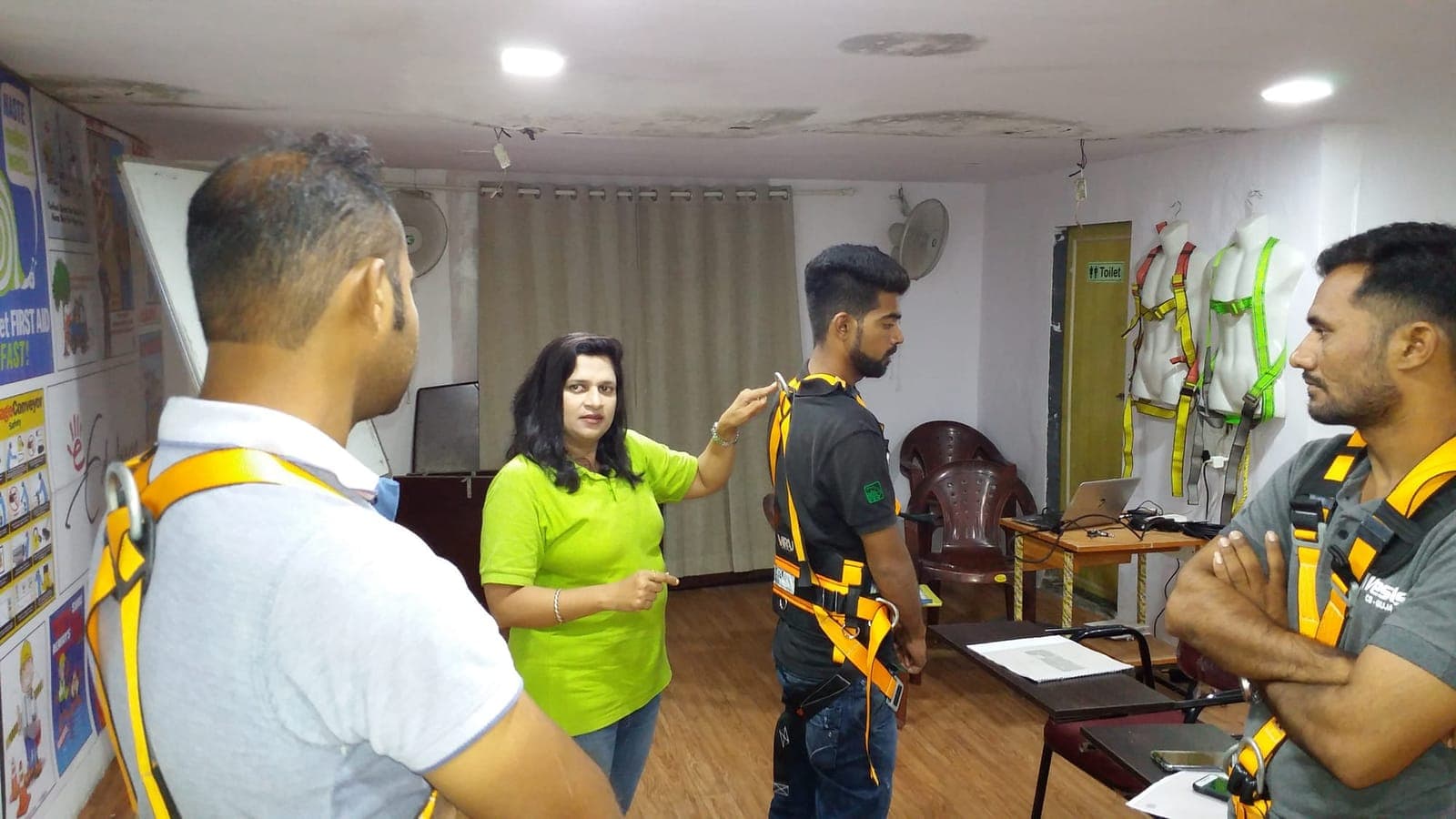
Inspecting a Fall-Arrest Harness Before Every Use
A full-body harness only protects the person wearing it if it is fit for use. Here is the pre-use inspection routine we teach on every working-at-height programme.
By Eduforce TeamRead
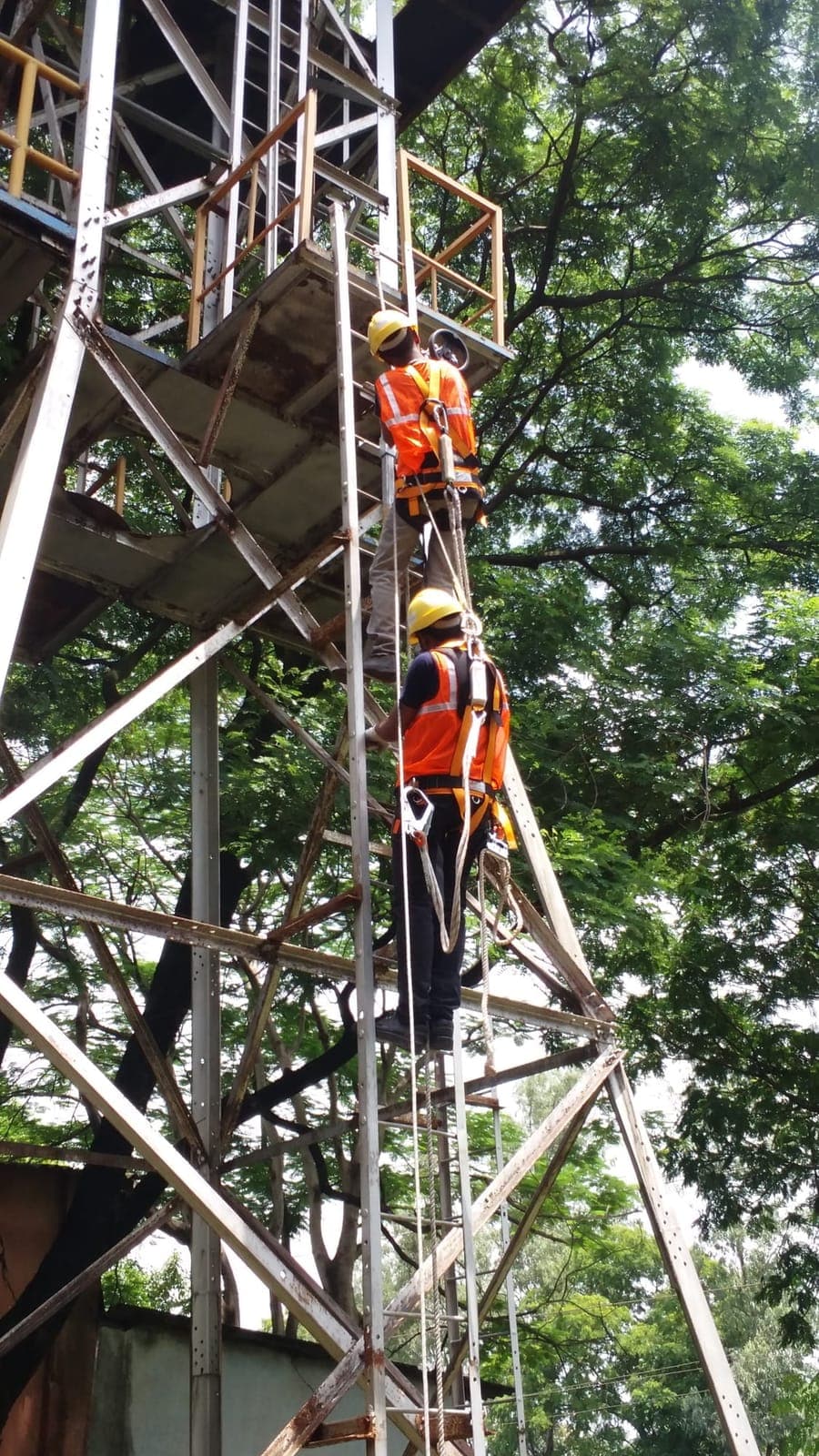
Practical guidance on workplace hazards, controls and the systems that keep people safe.
7 articles
A full-body harness only protects the person wearing it if it is fit for use. Here is the pre-use inspection routine we teach on every working-at-height programme.
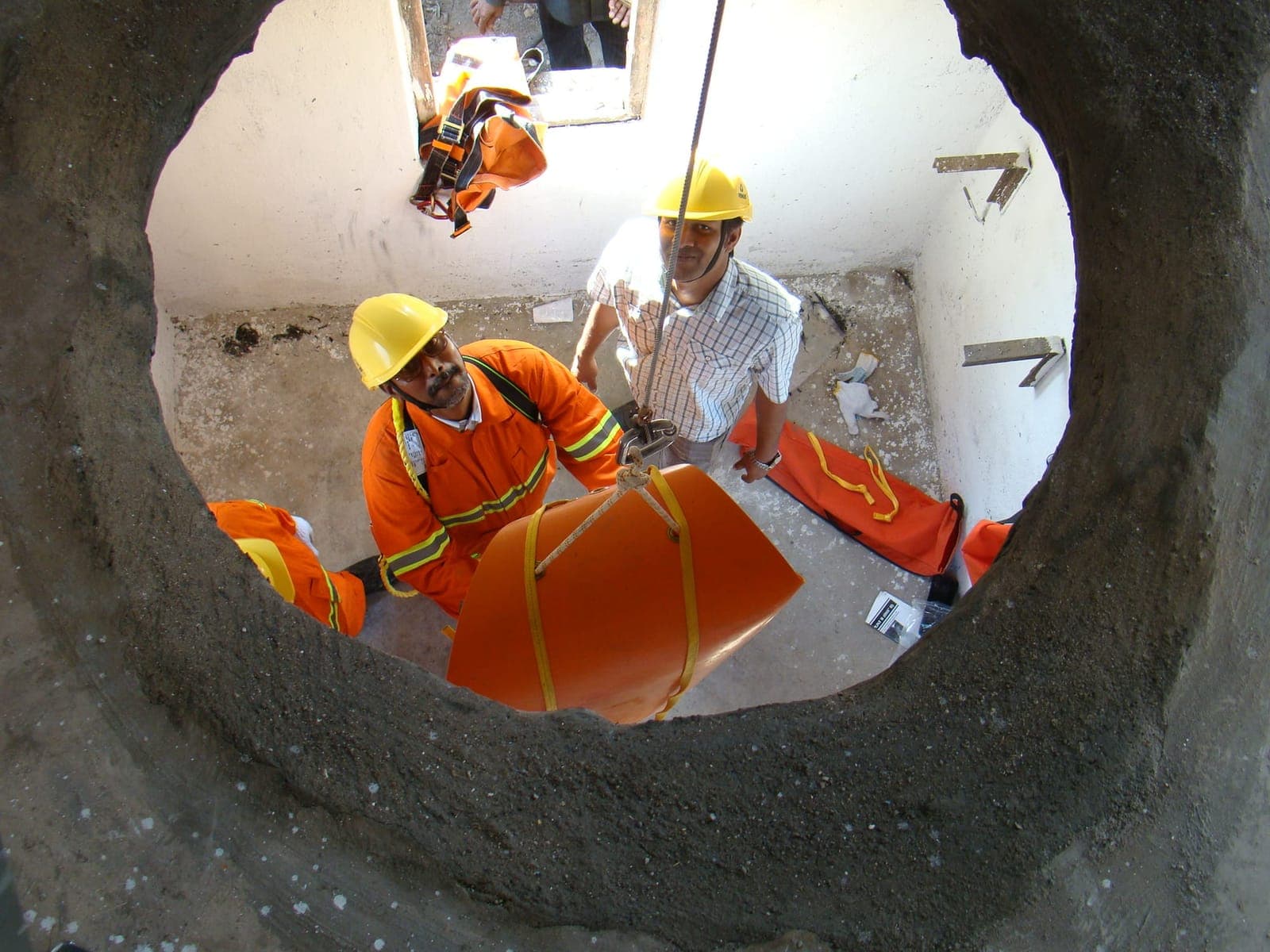
Most confined-space incidents are not exotic. They happen when a routine job skips one of five questions. Ask them every time, and the permit writes itself.
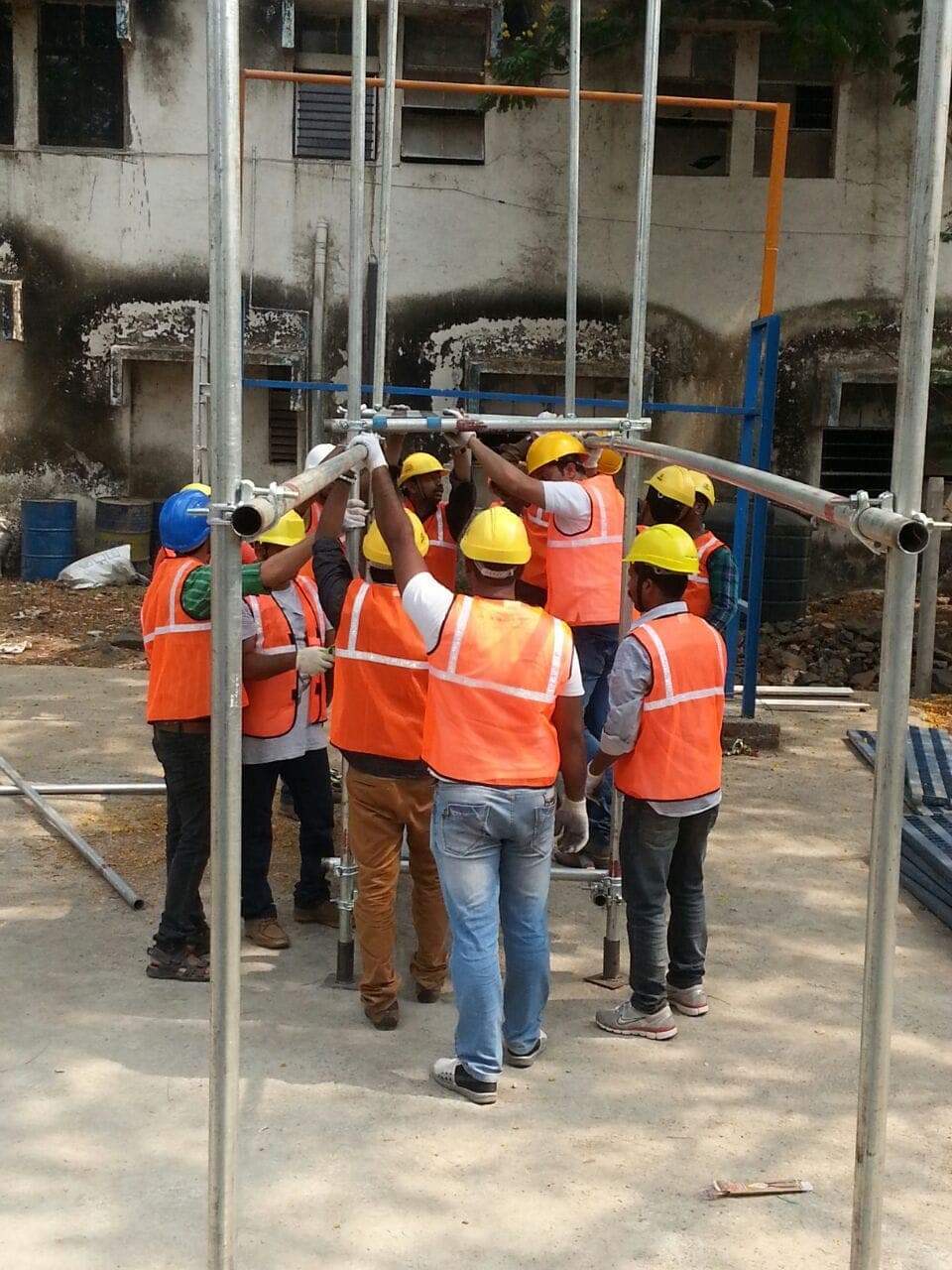
Scaffold collapses and falls from scaffolds are among the most preventable incidents on any site. The controls are well known — the failures come from skipping them under pressure.
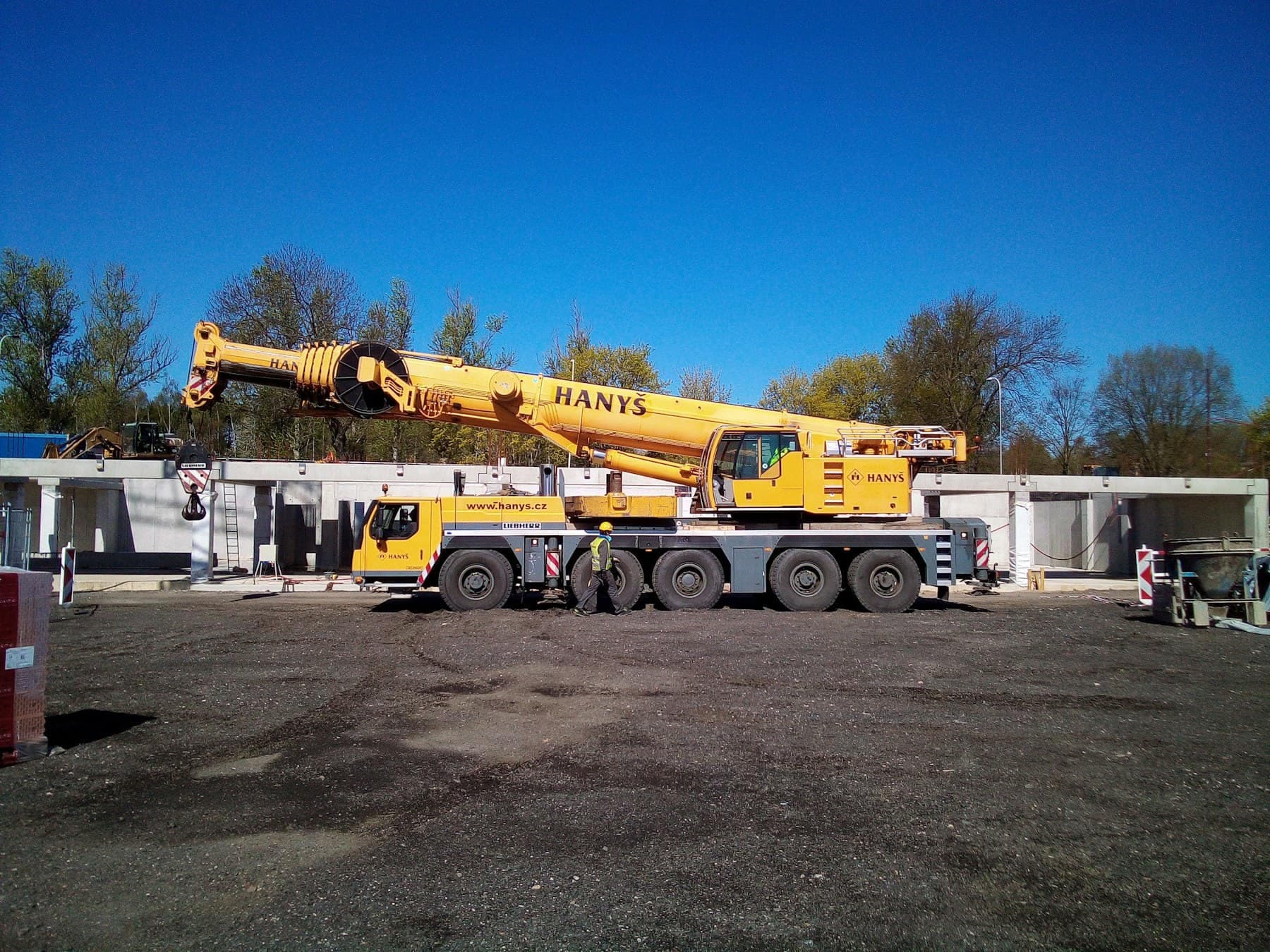
A dropped load rarely gives a warning. Lifting operations are made safe by planning, rated equipment, a competent slinger and one person in control — every time, including the routine lifts.

A conductor on the ground turns the earth around it into a voltage gradient. Running through that gradient is what kills people — here is what to do instead.

Ergonomic risk does not only show up in lifting and handling. Long static sitting produces its own injuries, and it responds to the same assessment discipline.

Drinking water provision is usually treated as a welfare detail. It sits closer to occupational health — particularly in hot work and where contamination routes exist.
Every article connects to the programmes and services Eduforce already delivers.
Talk to Eduforce about training, consultancy and safety solutions for your site and your people.