
Five Questions to Answer Before Anyone Enters a Confined Space
Most confined-space incidents are not exotic. They happen when a routine job skips one of five questions. Ask them every time, and the permit writes itself.
By Dr. Mona GandhiRead
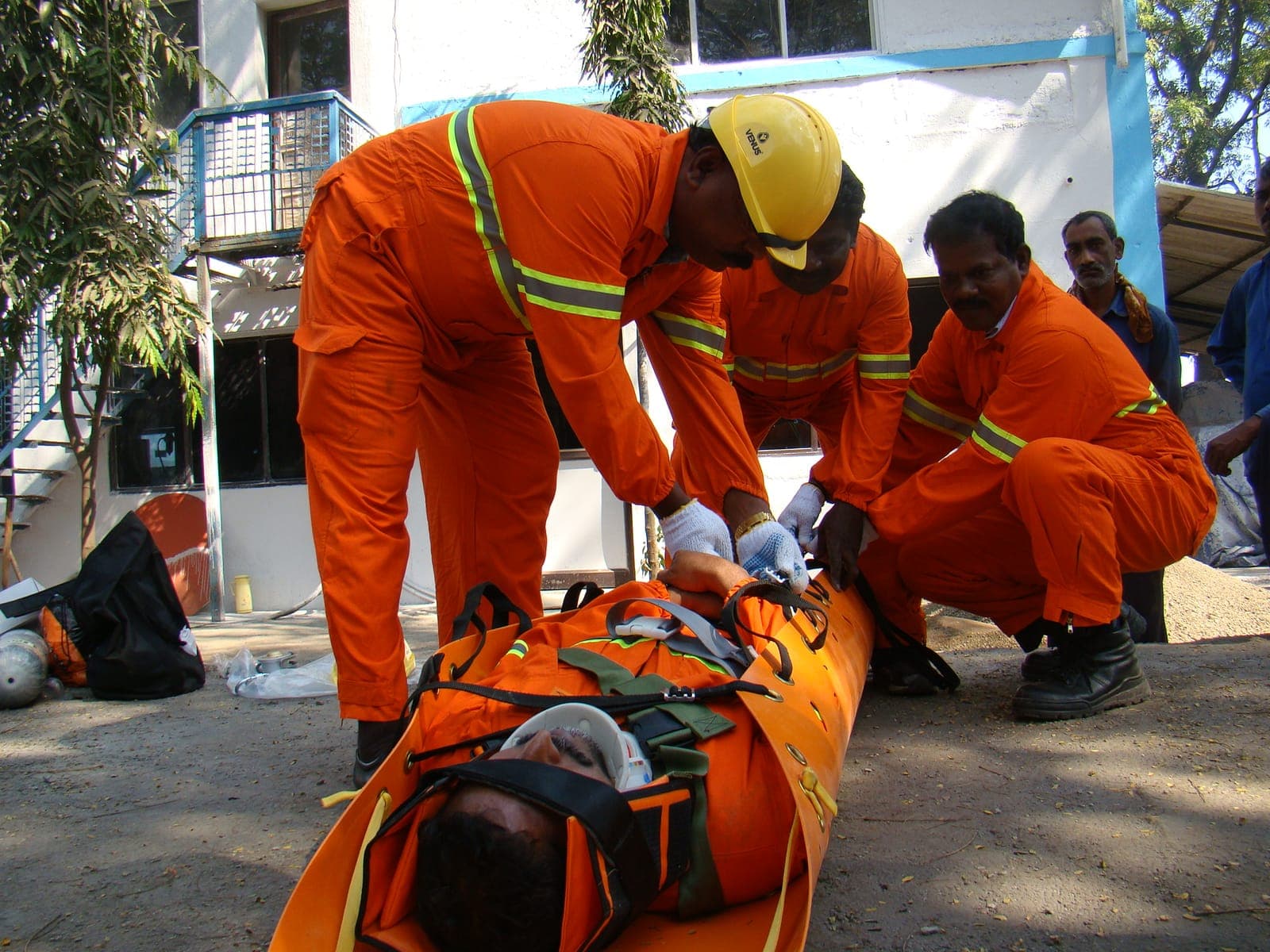
The advanced programme covers safe entry procedures and rescue technique for the people who control an entry — team supervisors, captains, OIMs and managers.
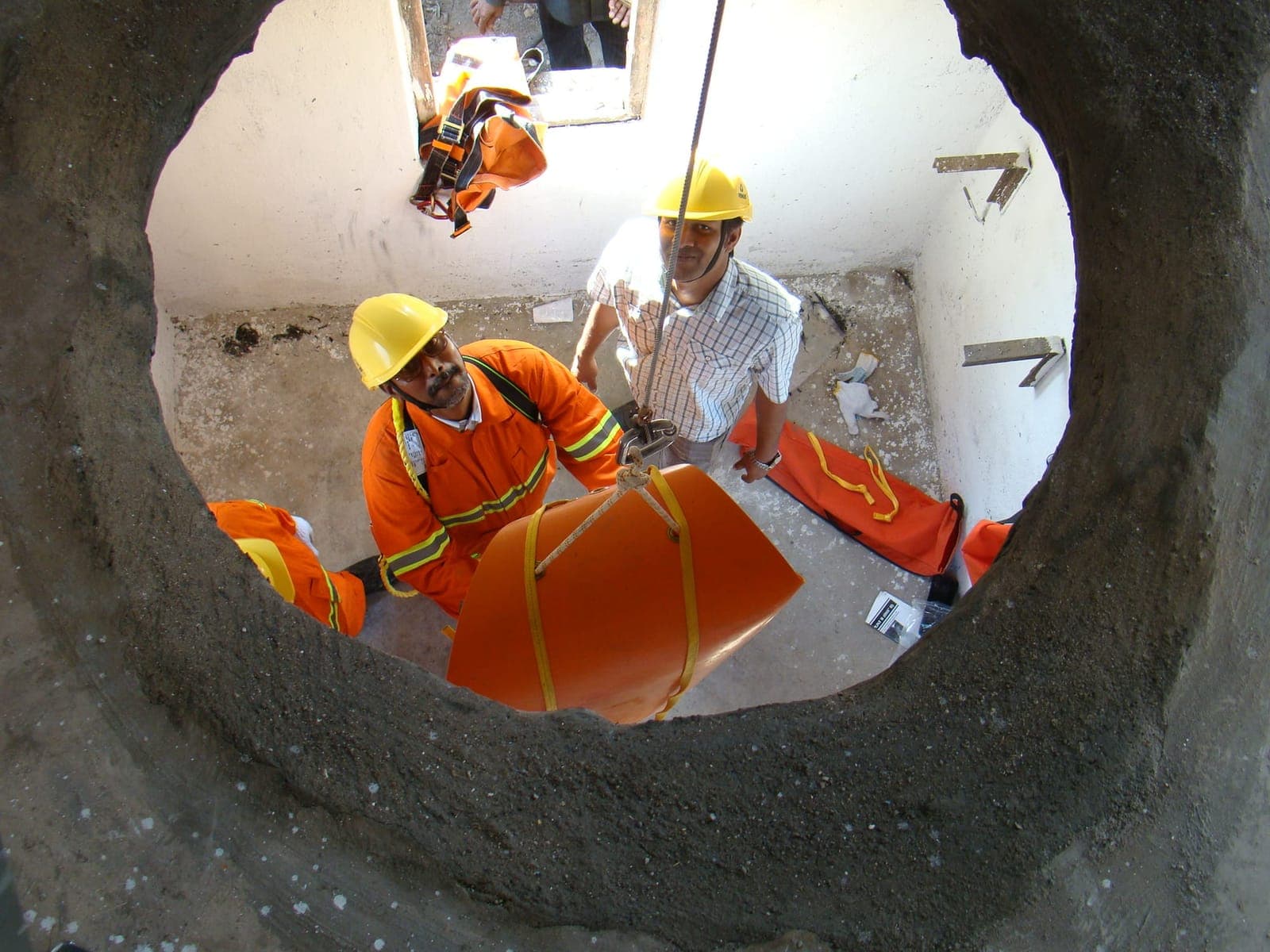
In a confined space emergency, would-be rescuers account for a significant share of casualties. This advanced programme is for the people who control an entry, and it centres on a rescue plan that works: the method, the equipment checked before entry, and named, trained people present throughout.
Non-entry retrieval with a tripod and winch is used where the space allows it; entry rescue is left to a trained, equipped team where it does not. A plan that has only existed on paper will not work the first time it is needed, so the rescue is rehearsed rather than assumed.
Team supervisors, captains, OIMs and managers
No dates are currently listed for this programme. Tell us when and where you need it and our team will confirm.
Recorded in Eduforce material as “Advanced Programme in Confined Space Entry and Rescue”, for team supervisors, captains, OIMs and managers.
Duration, assessment method and the certificate issued vary by programme, and are set out in the written confirmation issued for your engagement. Contact our team for the current details for this programme, including any validity period that applies.
Most confined-space incidents are not exotic. They happen when a routine job skips one of five questions. Ask them every time, and the permit writes itself.
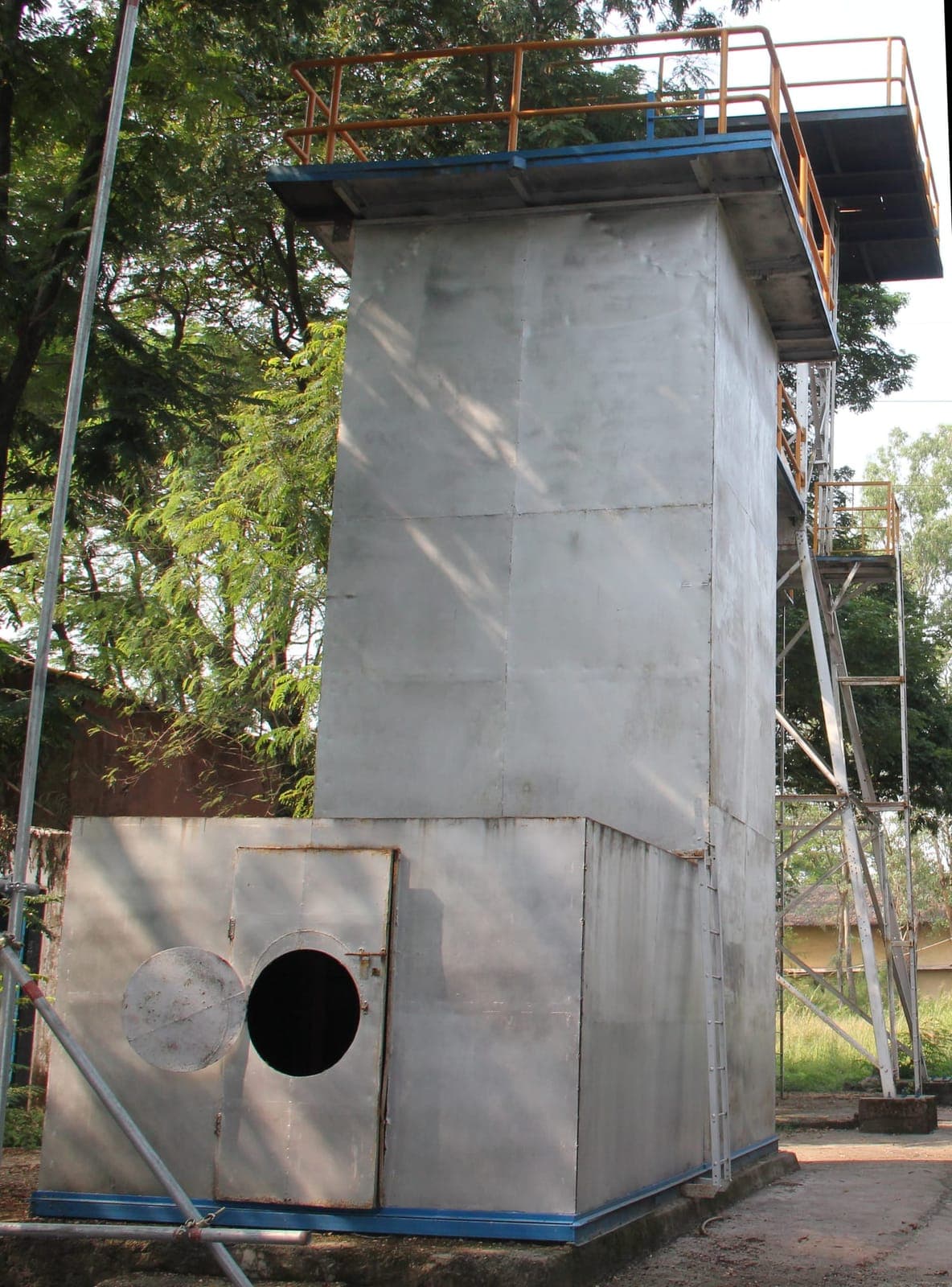
Practical safety training needs somewhere to practise. A look at the Eduforce working-at-height and confined-space simulator on the Mumbai–Nashik Highway, and how programmes run there.
Programmes run at the Eduforce training centre or on your own site. Tell us the roles involved and our team will confirm the details.