Global Wind Day is an annual moment to look at what wind energy contributes. From a training perspective it is also a good moment to look at the job itself, because the conditions a wind technician works in are unusual even by industrial standards.
What the working environment actually demands
A turbine asks several things of the people who maintain it at once:
- Height. The climb is vertical, often repeated, and the working positions are exposed. Fall protection is not an occasional control here; it is in use for most of the shift.
- Confined and restricted spaces. The hub, the spinner and parts of the nacelle are tight, awkward to move through, and difficult to extract someone from.
- Stored energy. Mechanical, electrical and hydraulic systems hold energy that has to be positively isolated and verified before work begins.
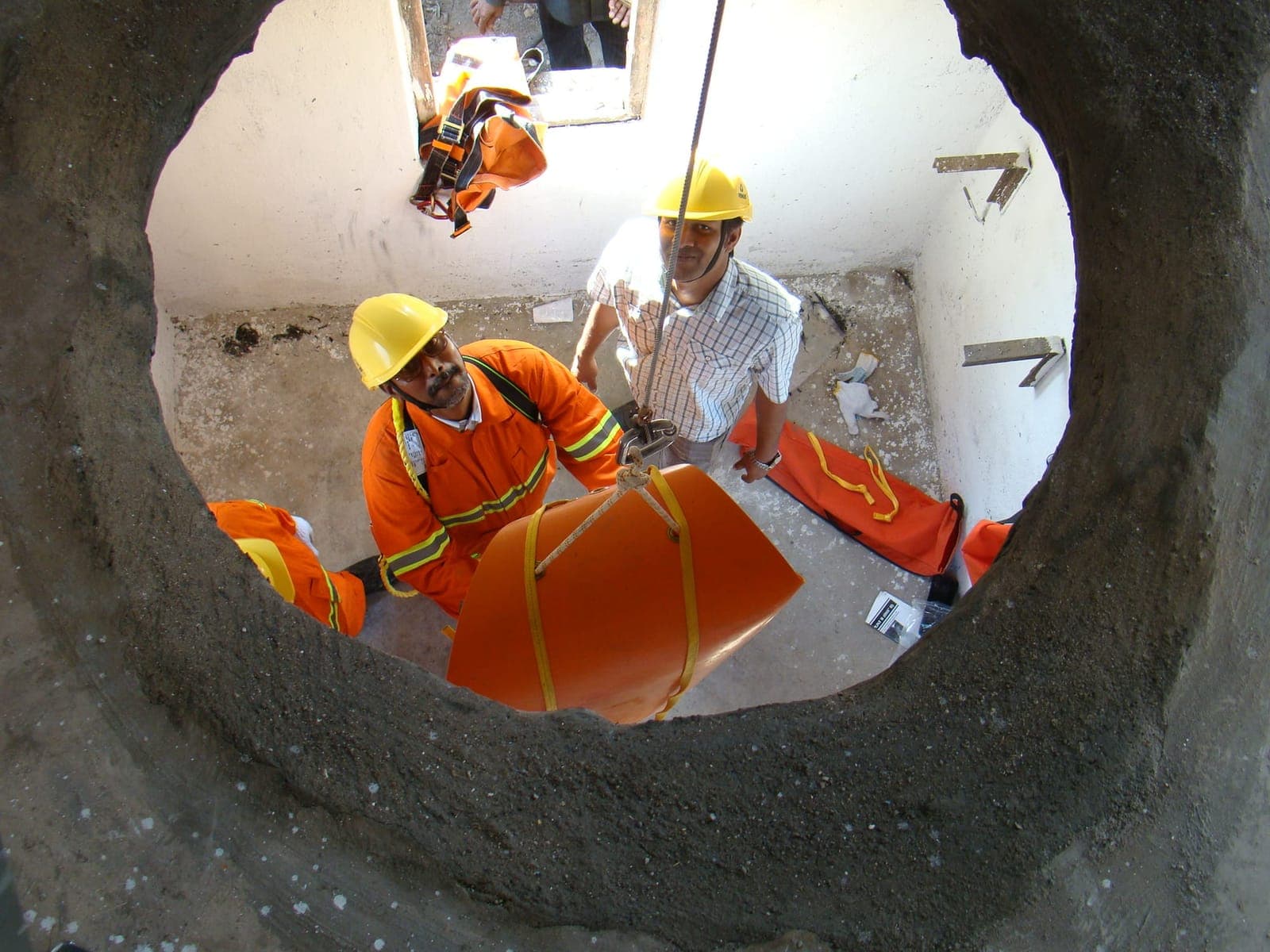
- Isolation from help. A casualty in a nacelle cannot simply be carried out. The team on the turbine is the rescue capability for the first part of any emergency.
Why rescue is trained, not assumed
The last point shapes everything. On most industrial sites, the emergency plan can reasonably rely on outside responders arriving within a useful time. Several hundred feet up a tower, that assumption does not hold. A colleague suspended in a harness, or unconscious in a hub, needs to be reached and brought down by the people already there.
That is why rescue is a trained, rehearsed, equipment-specific skill in this sector rather than a paragraph in a procedure — and why it is practised repeatedly on a structure that behaves like the real thing.
What the GWO standards contribute
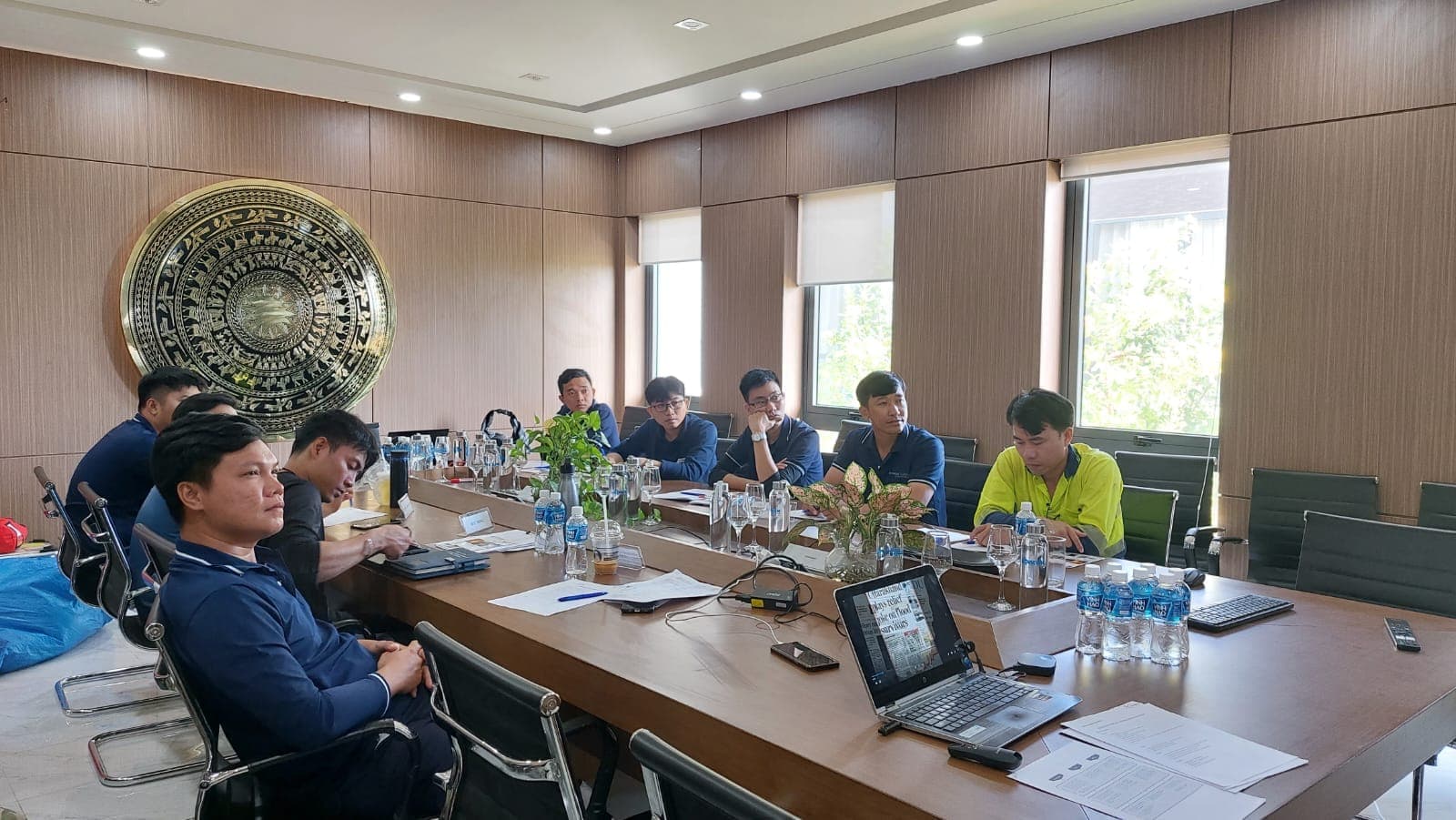
The Global Wind Organisation publishes training standards that set out what particular courses must contain. Their practical value is consistency: a technician trained to a given standard has covered a defined body of content, and an employer taking on that technician knows what has been covered without having to audit every provider individually.
The standards are maintained and revised over time, so the current published version always governs what a course contains. We keep to the version in force rather than to any older description of it.
Perishable skills and refreshers
Knowledge and skill decay at different rates. What a harness is for is easy to remember a year later. Fitting it correctly under pressure, inspecting it properly, or rigging a descent for an unresponsive colleague is not — those are perishable skills, and they fade without practice. Refresher training exists for that reason, not as an administrative formality.
A day worth marking
Global Wind Day is about the energy the sector produces. The training side of it is quieter: harness checks, climbing technique, rescue drills and isolation discipline, repeated until they hold up on a cold morning at the top of a tower.
If you are planning training for a wind team, our GWO trainings set out what each course covers, and our team will confirm the current standard version, duration and joining details on enquiry.
Content adapted from Eduforce's related safety and training publications.
Related training
Need help developing workplace safety capability?
Talk to Eduforce about training, consultancy and safety solutions.
Rakesh Temkar
Author
Writes on first aid, health and workplace safety for Eduforce.