Ask why a site runs safety training and the honest answer is often "because we have to." Legislation, client requirements and audit checklists all ask for it. That is a fine reason to start, but it is a poor reason to stop thinking, because training that is only bought for the certificate tends to deliver only the certificate.
The purpose of safety training is narrower and harder than that: to change what people do at the point of work. Everything about how a programme is chosen, delivered and followed up should be judged against that one test.
Knowledge is not competence
Most incidents on industrial sites do not happen because nobody knew the rule. They happen because, under time pressure and habit, the rule was not applied. A worker who can recite the hierarchy of fall protection controls but has never actually inspected a harness, set an anchor or rescued a colleague has knowledge, not competence.
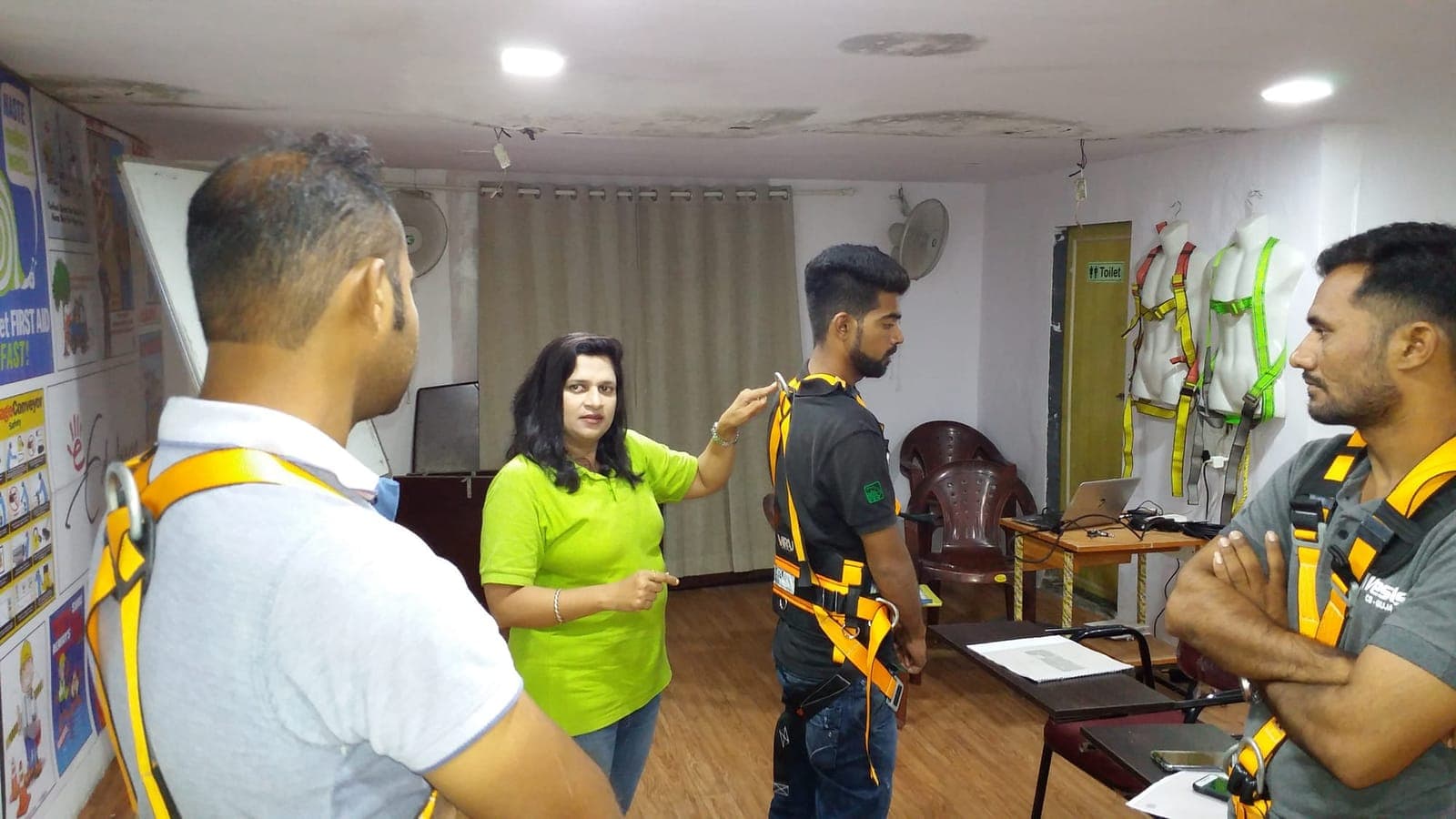
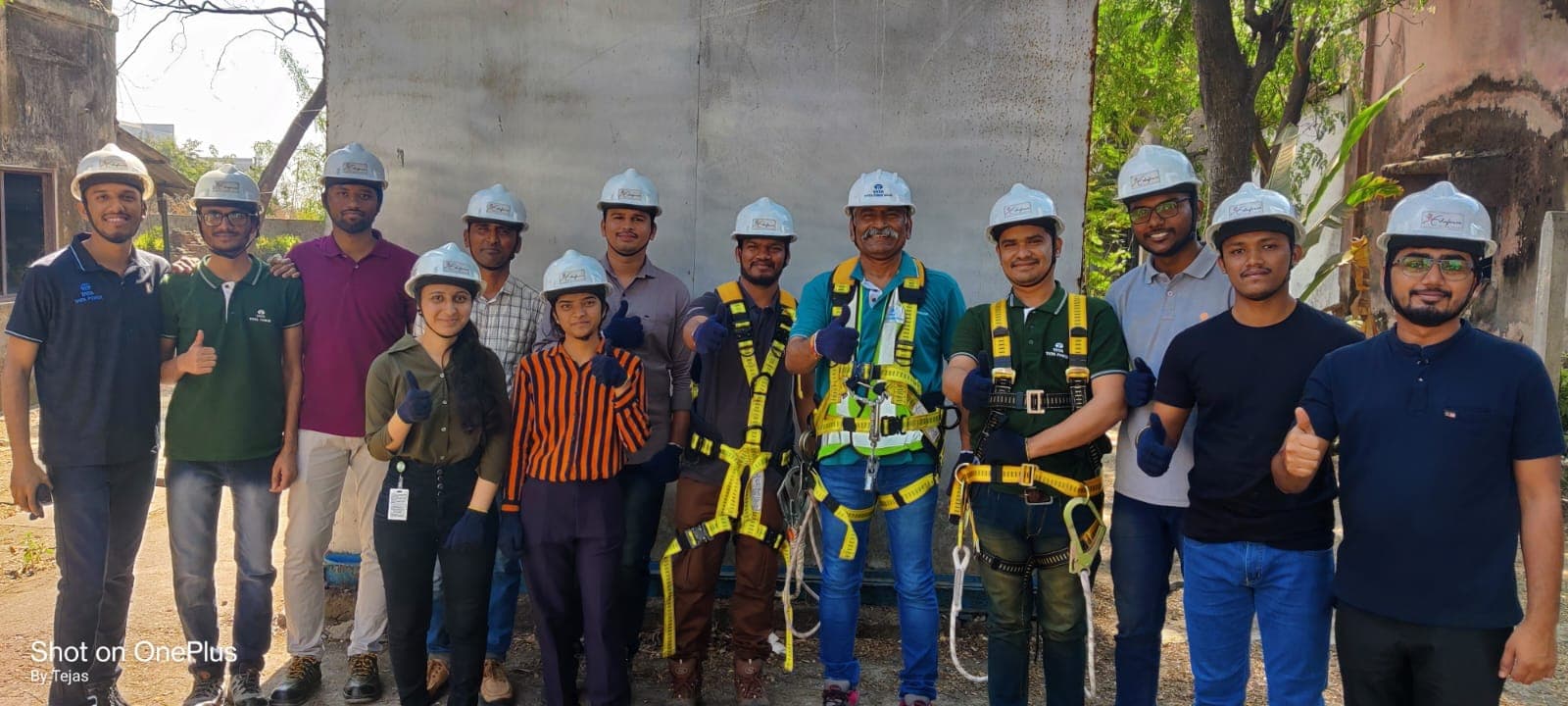
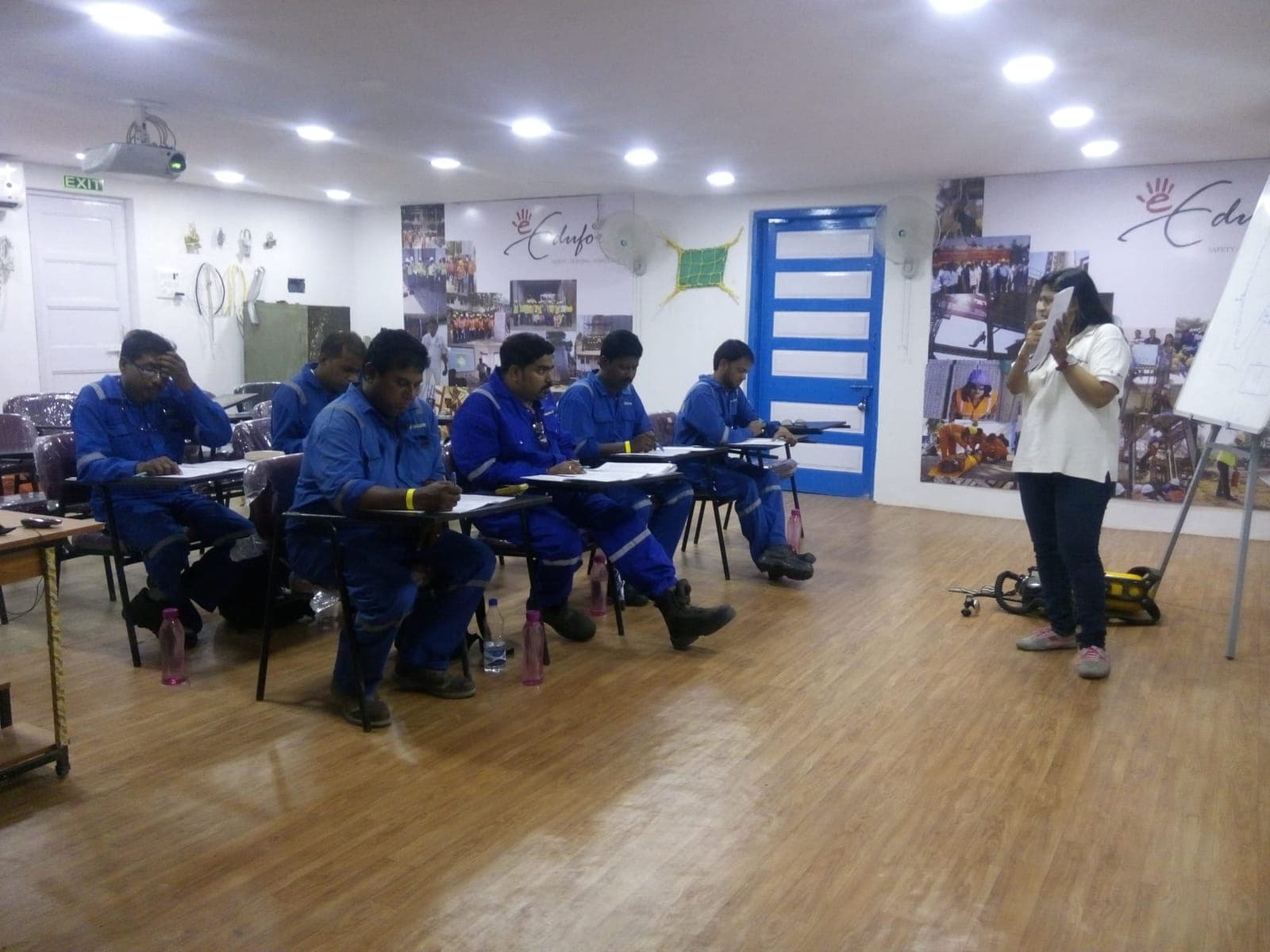
Competence is built by doing the task, under supervision, until the right way is the automatic way. That is why the programmes that make a difference are heavily practical: harnesses worn and inspected, confined spaces entered and exited, fires put out, casualties treated on the floor. A classroom session is where the "why" is explained; the training structure, the simulator and the site are where the "how" is learned.
Train for the site you have
Generic safety training tries to cover every workplace and ends up describing none of them. The hazards on a wind turbine, a fertiliser plant and a construction site overlap, but the working methods, the equipment and the rescue options differ completely.
Effective training is tailored to the industry and the working method — the equipment in the room is the equipment on the site, the scenarios are the ones the team will face, and the rescue plan practised is the one that exists. The Industries section of this site sets out how the same disciplines apply differently across sectors; the training should reflect that.
Assess, then refresh
If nobody checks what a participant can do at the end of a course, the certificate records attendance, not ability. Practical assessment — a completed inspection, a successful rescue, effective compressions on a manikin — is what turns a course into a competence record a supervisor can rely on.
Skills also fade. First aid and rescue skills in particular degrade within months of a course if they are not practised. A refresher interval is not bureaucracy; it is the point at which the training stops being true.
Supervision decides whether it sticks
The final and least glamorous factor is what happens the week after. If a trained worker returns to a site where the supervisor accepts a skipped pre-use check because the job is late, the training has been quietly cancelled. Safety training works when the site's leadership expects and enforces what was taught — which is why Behaviour Based Safety and leadership programmes sit alongside the technical ones.
A practical checklist
Before booking any safety training, ask:
- What behaviour should be different afterwards? If the answer is vague, the course will be too.
- How much of it is hands-on? For work at height, confined space, fire and first aid, most of it should be.
- Is it built around our hazards and equipment? Ask to see the scenario and the kit.
- How is competence assessed? Attendance is not assessment.
- When do we refresh, and who owns the record?
- Do our supervisors know what was taught? They are the ones who will enforce it.
If you are not sure where your site stands, a gap analysis establishes the current state of safety practice before any training is chosen — so the programme addresses the gaps that actually exist.
Related training
Related consultancy & audit services
Need help developing workplace safety capability?
Talk to Eduforce about training, consultancy and safety solutions.
Eduforce Team
EHS Training & Safety Solutions
Practical safety guidance from the Eduforce trainers and consultants — written from the training centre, the classroom and the site.
More about Eduforce